
Where to begin when planning a Japanese-inspired kitchen renovation

While choosing paint colours and worktop samples are exciting, Japanese design encourages us to start somewhere quieter: with the way we want to live.
In Japanese interiors, beauty is created through thoughtful choices that support everyday life. Before selecting materials or finishes, spend some time thinking about how you use (and want to use) your kitchen. Is it a sociable place to gather with family, or an escape where you can get lost in the process of preparing your meals, or just somewhere you can enjoy a slower pace at the start and end of the day?
By letting your lifestyle guide your decisions, you'll create a space that functions for you and how you use your kitchen.

Define the feeling
Rather than asking, What style do I want?, ask yourself, How do I want this room to feel?
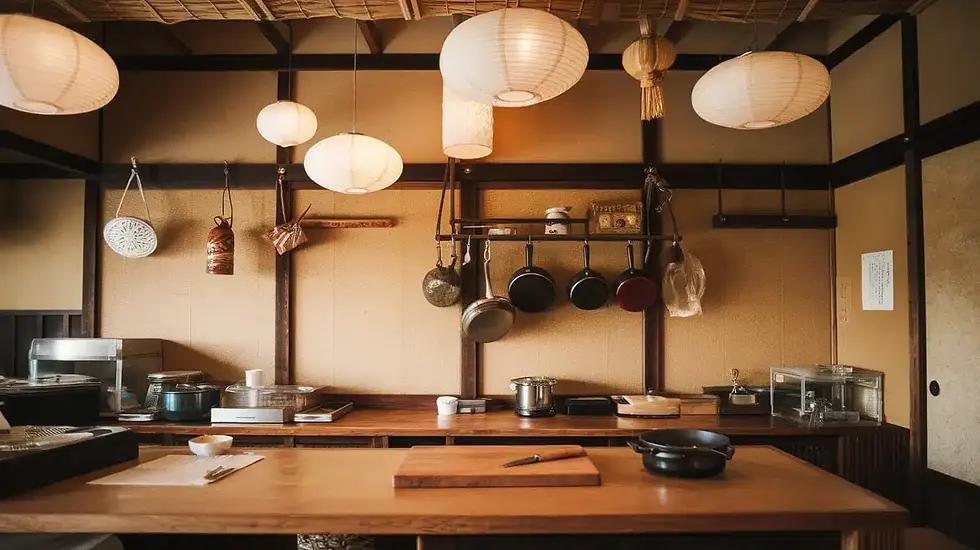
Japanese-inspired kitchens often evoke a sense of calm, warmth and quiet simplicity, opting for comfort over perfection and allowing natural materials and uncluttered spaces to create an atmosphere that feels restorative.
Think about movement
Japanese interiors embrace openness and flow, making sure that each area serves a clear purpose without unnecessary clutter. Think about how you'll prepare food, access storage and move between work surfaces.
Using wide walkways and thoughtful layouts, with clever storage solutions that are designed to keep countertops clutter-free, all contribute to a kitchen that feels both practical and peaceful.
Intentional storage
Speaking of storage, using it well means you’ll have less visual clutter and a much calmer kitchen as a result. You can use hidden storage, drawer organisers, and carefully considered shelving to make everyday essentials accessible without dominating the room.
Select flooring
Flooring is often treated as one of the last decisions in a renovation, but as it takes up so much of the aesthetic of the room, it has a major influence on the overall atmosphere.
Natural wood remains a popular choice for Japanese-inspired kitchens thanks to its warmth and versatility, while stone or porcelain floors introduce a quieter, more contemporary feel.
Whichever material you choose, think about how your kitchen floor will connect with adjoining rooms, as this will help you create a sense of visual continuity throughout the home.
Choose cabinetry and worktops
Cabinetry should complement the room rather than dominate it: simple lines, understated hardware and natural finishes help create a sense of balance. Topping your cabinets with a quality worktop, whether it’s made from a natural material like marble or an engineered surface like porcelain, can be used to tie the materials together or provide an intentional contrast.
Rather than following short-lived trends, focus on craftsmanship and functionality that work for your kitchen and how you’re planning to use it. If you have bulky countertop appliances that you want accessible but hidden, a recessed space at counter height could be ideal, or if you have lots of separate sets of dishes and bowls, then having more shelves within a standard-height cabinet would maximise your storage space.
Getting the installation order right
Once you've chosen your flooring and cabinetry, there’s a really practical decision that a lot of people overlook: which should be installed first? Getting the order right can help protect your investment and make sure your renovation runs smoothly.
The answer depends on the type of flooring you've selected. For example, solid hardwood and tile are often installed before cabinets, while many floating floors should be fitted afterwards to allow for natural expansion and contraction.
If you're planning a kitchen remodel, this helpful guide on whether cabinets or flooring should be installed first explains the different approaches and when each one is appropriate.
Finish with intention
The final details should feel carefully chosen rather than decorative for decoration's sake: a handcrafted ceramic bowl, a simple vase of seasonal branches or a favourite wooden chopping board can add personality without creating clutter. By resisting the temptation to fill every surface, you let the room breathe.